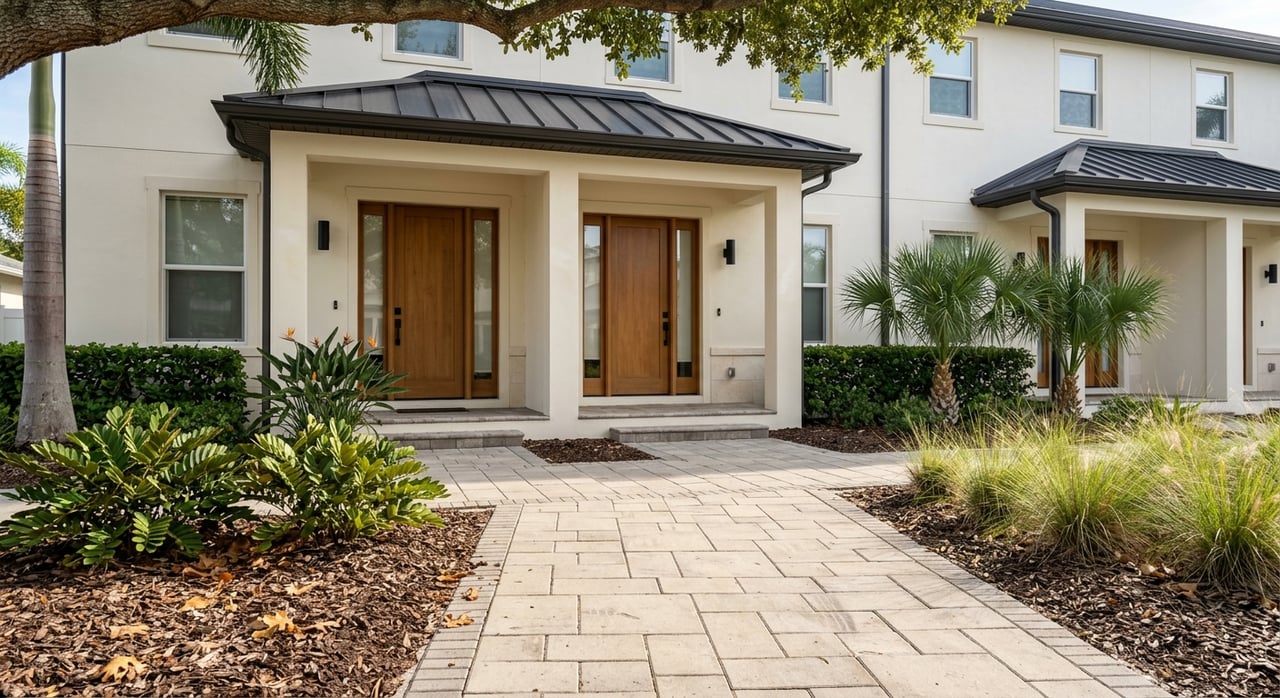
Wondering whether a condo or a townhome is the better fit for low-maintenance living in Melbourne? You are not alone. Many buyers want less upkeep, predictable routines, and a home that fits their budget and lifestyle. The key is knowing that in Florida, condos and townhomes are not the same thing, even when they may look similar from the outside. This guide will help you compare the two in practical terms so you can make a smarter move in Melbourne. Let’s dive in.
Condo vs. townhome in Melbourne
If you are comparing low-maintenance options in Melbourne, start with ownership structure, not just appearance. In Florida, a condominium is a legal form of ownership under Chapter 718, where you own your unit and the association is generally responsible for common elements unless the governing documents assign certain limited common-element duties to the owner.
A townhome is often part of a homeowners association governed under Chapter 720. In those communities, owners are members of the association, pay assessments, and follow recorded covenants. That means two homes with a similar townhouse look can come with very different maintenance duties depending on how the community is legally set up.
Why the documents matter
This is one of the biggest points Melbourne buyers need to understand. A townhouse-style property can still be governed as a condominium, so you cannot rely on exterior style alone.
Before you decide, confirm whether the property is legally a condo or an HOA townhome. The declaration, title documents, and community records will tell you far more than the listing photos ever could.
What low-maintenance really means
Low-maintenance living sounds simple, but it can mean different things from one community to another. Your monthly fee may cover a lot, or it may cover only a few shared services.
That is why the smartest comparison is not just condo versus townhome. It is what the monthly fee covers, what the association maintains, and what you still handle yourself.
Condo maintenance responsibilities
Condos often place more day-to-day exterior upkeep with the association. Common elements can include hallways, elevators, parking garages, pools, and other shared spaces.
For many buyers, that setup means less personal responsibility for exterior maintenance. If you want a home where much of the building-related upkeep is handled through the association, a condo may feel more convenient.
Townhome maintenance responsibilities
Townhome communities often focus on neighborhood services rather than shared-building features. Depending on the HOA, assessments may help fund landscaping, security, walking trails, playgrounds, and swimming pools.
That can still be low-maintenance, but it is not always as hands-off as a condo. In some townhome communities, you may have more responsibility for parts of the exterior, roof, or other items, depending on the governing documents.
Amenities and lifestyle differences
In Melbourne, the condo versus townhome decision often comes down to the kind of lifestyle you want. Both can reduce maintenance, but they tend to package that value in different ways.
As a general market pattern, condos are more likely to include larger shared-building amenities. Townhome communities often emphasize neighborhood-level services and amenities instead.
Condos often fit downtown and waterfront goals
Melbourne spans mainland areas and part of a barrier island along the Indian River Lagoon. The city’s geography, along with the focus on Historic Downtown Melbourne, helps explain why condo inventory often appears in downtown-adjacent and waterfront settings.
If you want to be near Downtown Melbourne or along the Intracoastal Waterway, a condo is often the first place to look. That does not make it the right choice for everyone, but it is a common pattern in the local market.
Townhomes often offer a house-like middle ground
Townhomes in Melbourne are generally spread more broadly across the city. They often show up in suburban planned communities rather than denser or more water-oriented areas.
For many buyers, that creates a useful middle ground. You may get a more house-like layout and community feel while still avoiding some of the maintenance demands that come with a detached home.
Costs to compare before you buy
A low-maintenance home is not always the lower-cost home month to month. The real comparison is your total carrying cost, not just the list price.
That means you should look at dues, insurance needs, and the possibility of current or future assessments. A home that looks affordable at first glance can feel very different once all of those pieces are added together.
Monthly dues and reserve funding
Both condos and HOA townhome communities can charge regular assessments. Both can also levy special assessments, and unpaid assessments can lead to liens.
In practical terms, communities with stronger reserve funding may be better positioned for future repair costs, but that may also show up as higher monthly dues. This is one of the biggest tradeoffs buyers should weigh when comparing communities in Melbourne.
Condo reserve rules in Florida
Florida condo law now requires structural integrity reserve studies for each condominium building that is three habitable stories or higher. Milestone inspections also apply when a building reaches 30 years of age, or 25 years in local circumstances such as proximity to salt water.
For buyers, this matters because applicable condo communities must provide milestone and structural integrity reserve study materials. A resale condo contract can also be voided within 7 business days after receipt of the required documents.
HOA reserve rules for townhomes
HOA townhome communities have more flexibility with reserves. Annual budgets may include reserve accounts, owners can vote to establish them, and the statute allows waiving or reducing reserves under the association’s voting rules.
That flexibility can affect your monthly cost now and your risk of future expenses later. If the required HOA disclosure summary was not delivered before contract execution, a buyer can cancel within 3 business days after receiving it.
What Melbourne buyers should verify
Before you choose between a condo and a townhome, ask detailed questions about the community. This is where good local guidance can save you time and help you avoid costly surprises.
A quick review of the right documents can tell you far more than a marketing brochure. You want to know exactly what you are paying for and what rules apply.
Your pre-offer checklist
- Confirm whether the property is legally a condo or an HOA townhome
- Ask what the monthly fee covers
- Verify whether roof, exterior maintenance, or lawn care is included
- Review reserves and ask about any pending special assessments
- Check for restrictions on rentals, pets, vehicles, and parking
- Review required disclosures and community documents before your deadlines expire
Insurance and coastal considerations
In Melbourne, location matters. Because the city includes both mainland and barrier-island areas, insurance questions deserve extra attention.
If you are looking in a coastal or water-adjacent area, do not assume a standard homeowners policy covers flooding. Florida condo disclosure language specifically tells buyers to discuss separate flood insurance, and that is an important conversation in parts of Melbourne.
Which option may fit your lifestyle best
The best choice depends on how you want to live, not just what type of property sounds easier. Your schedule, budget, and comfort level with future maintenance risk should drive the decision.
For downsizers and busy professionals, condos often offer the lightest day-to-day maintenance burden because the association handles common elements. For first-time buyers, the better fit is often the one with the lowest total carrying cost after dues, insurance, and any assessment exposure are factored in.
A simple way to think about it
Choose a condo if you want:
- Less day-to-day exterior upkeep
- Access to shared-building amenities
- A stronger chance of finding options near downtown or waterfront areas
Choose a townhome if you want:
- A more house-like layout or feel
- A low-maintenance community without a stacked-building setup
- Wider location options across Melbourne
If you are weighing condos versus townhomes in Melbourne, the answer is rarely one-size-fits-all. The right property is the one that matches your budget, your preferred level of maintenance, and the actual rules of the community. If you want local, practical guidance as you compare your options, Eric Williams can help you evaluate communities, costs, and tradeoffs with a clear plan.
FAQs
What is the difference between a condo and a townhome in Melbourne, Florida?
- In Melbourne, a condo is a legal ownership form under Florida condominium law, while a townhome is often part of an HOA community governed by separate rules. The legal structure and documents matter more than exterior appearance alone.
Are condos more low-maintenance than townhomes in Melbourne?
- Often, yes. Condos usually place more common-area and exterior upkeep with the association, while townhome maintenance responsibilities can vary more by community documents.
Do condo fees and townhome HOA fees cover the same things in Melbourne?
- Not always. You should confirm exactly what the monthly fee covers, including exterior maintenance, roof responsibilities, lawn care, amenities, and reserve funding.
Are special assessments possible for Melbourne condos and townhomes?
- Yes. Both condo associations and HOA communities can levy assessments, including special assessments, and unpaid amounts can lead to liens.
Are condos more common near downtown Melbourne or the water?
- In general, condo inventory often appears in downtown-adjacent and waterfront settings in Melbourne, while townhomes are more broadly distributed across the city.
What should buyers review before buying a condo or townhome in Melbourne?
- Buyers should review whether the property is legally a condo or townhome, what the fee covers, reserve funding, pending assessments, insurance needs, and any restrictions on rentals, pets, vehicles, or parking.